

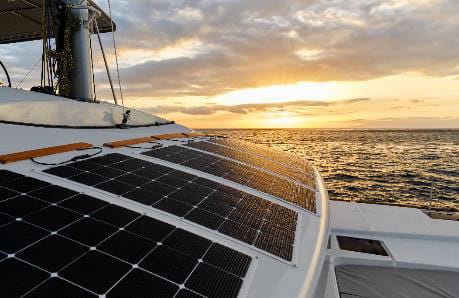
| A sustainable transformation at the heart of the Port Olímpic. The Port Olímpic is undergoing a profound transformation that places sustainability at the core of the project. This new phase redefines the port as a more efficient, resilient and open space, fully integrated with the coastline and the surrounding neighbourhood, and aligned with the Sustainable Development Goals. The renovation promotes a new port model based on clean energy, responsible resource management, protection of the marine environment, the blue economy and the recovery of public space. It is a project that combines innovation, economic activity and urban quality, with the aim of generating environmental, social and economic value for the city. |
Ecological restoration of the coastline and promotion of marine life
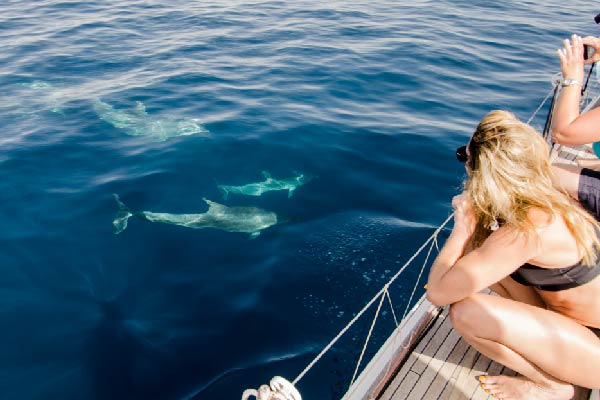
The Port Olímpic is implementing environmental restoration actions along the waterfront through the installation of biotopes and other underwater structures that encourage the settlement of marine species. These measures help improve biodiversity, strengthen existing habitats and increase the marine environment’s capacity to capture carbon.
The project reinforces the role of the port as an active agent in coastal regeneration and in improving the ecological quality of coastal waters.
Renewable self-consumption and energy generation towards decarbonisation
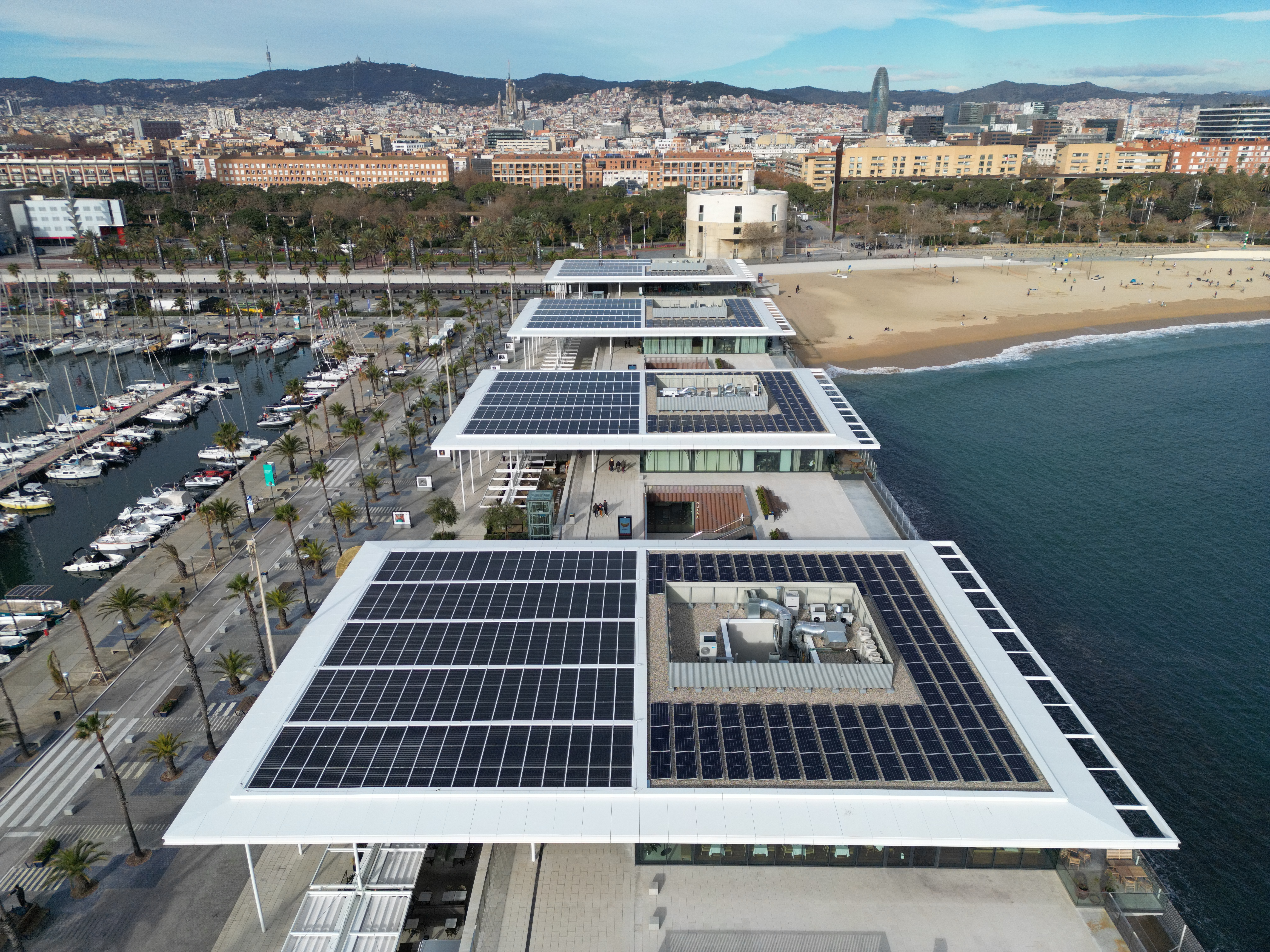
The Port Olímpic integrates renewable energy production as a key element of its new energy model. The photovoltaic pergola at Moll de Gregal, with more than 1,500 panels and an installed capacity of 600 kWp, generates solar electricity for use both within the port and in nearby municipal facilities.
This self-consumption system reduces dependence on the electricity grid, minimises energy transmission losses and contributes directly to the reduction of greenhouse gas emissions.
Sustainable nautical mobility: infrastructure to promote electric navigation
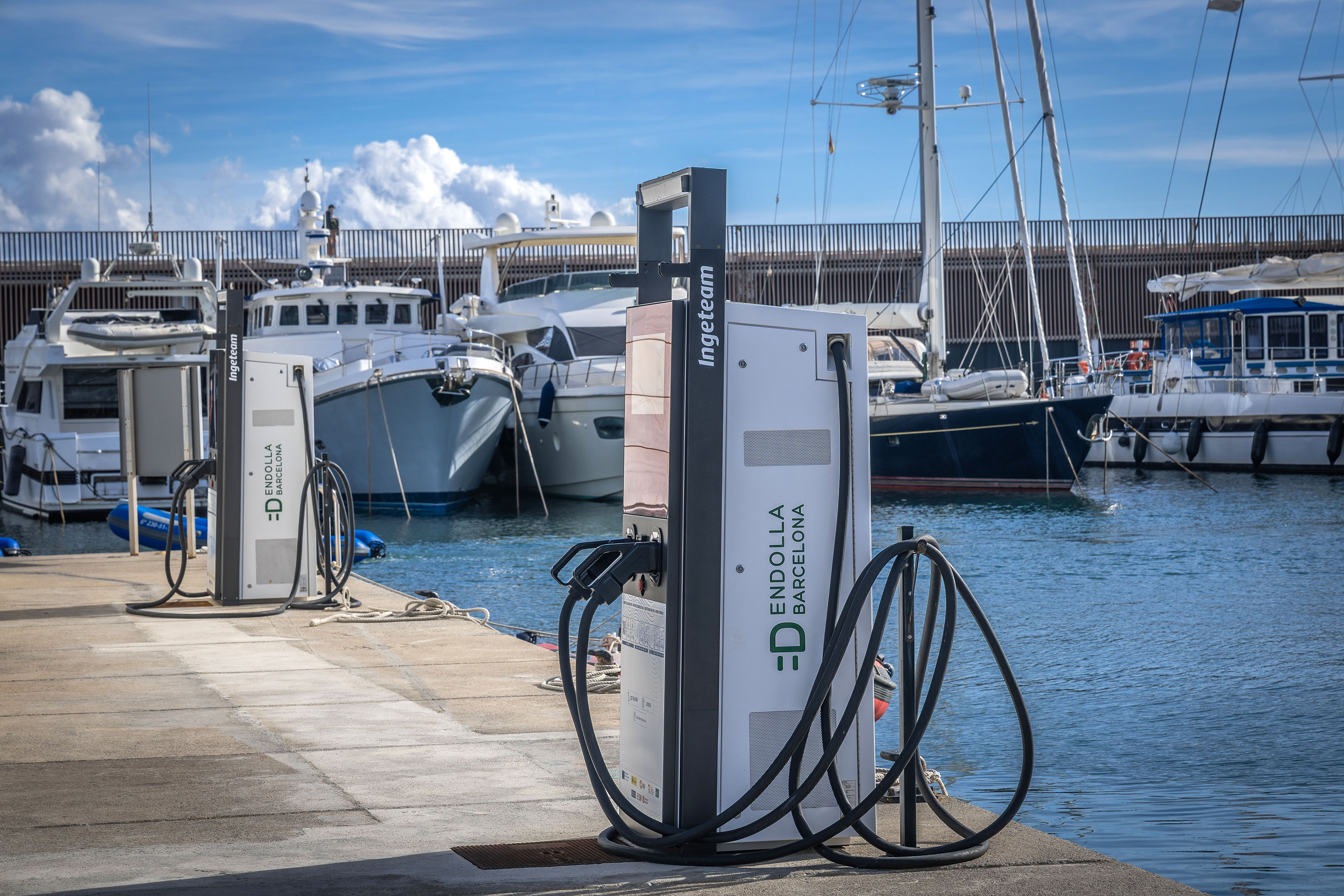
The Port Olímpic has installed high-power charging points for electric boats as part of its commitment to cleaner nautical mobility. These systems enable fast charging and operate using renewable energy generated on site.
This infrastructure helps reduce the use of fossil fuels in recreational boating and lowers associated emissions, moving towards a more efficient and environmentally respectful nautical model.
Sea water air conditioning: energy efficiency and comfort with lower environmental impact
The Port Olímpic uses sea water as a resource for climate control in its facilities. This system takes advantage of the stable temperature of the marine environment to improve energy efficiency and reduce electricity consumption compared to conventional systems.
In addition to avoiding the use of refrigerant gases with high global warming potential, this solution reduces visual, acoustic and thermal impact on the urban environment, helping to mitigate the urban heat island effect.
Use of groundwater: efficient water management in a climate change context
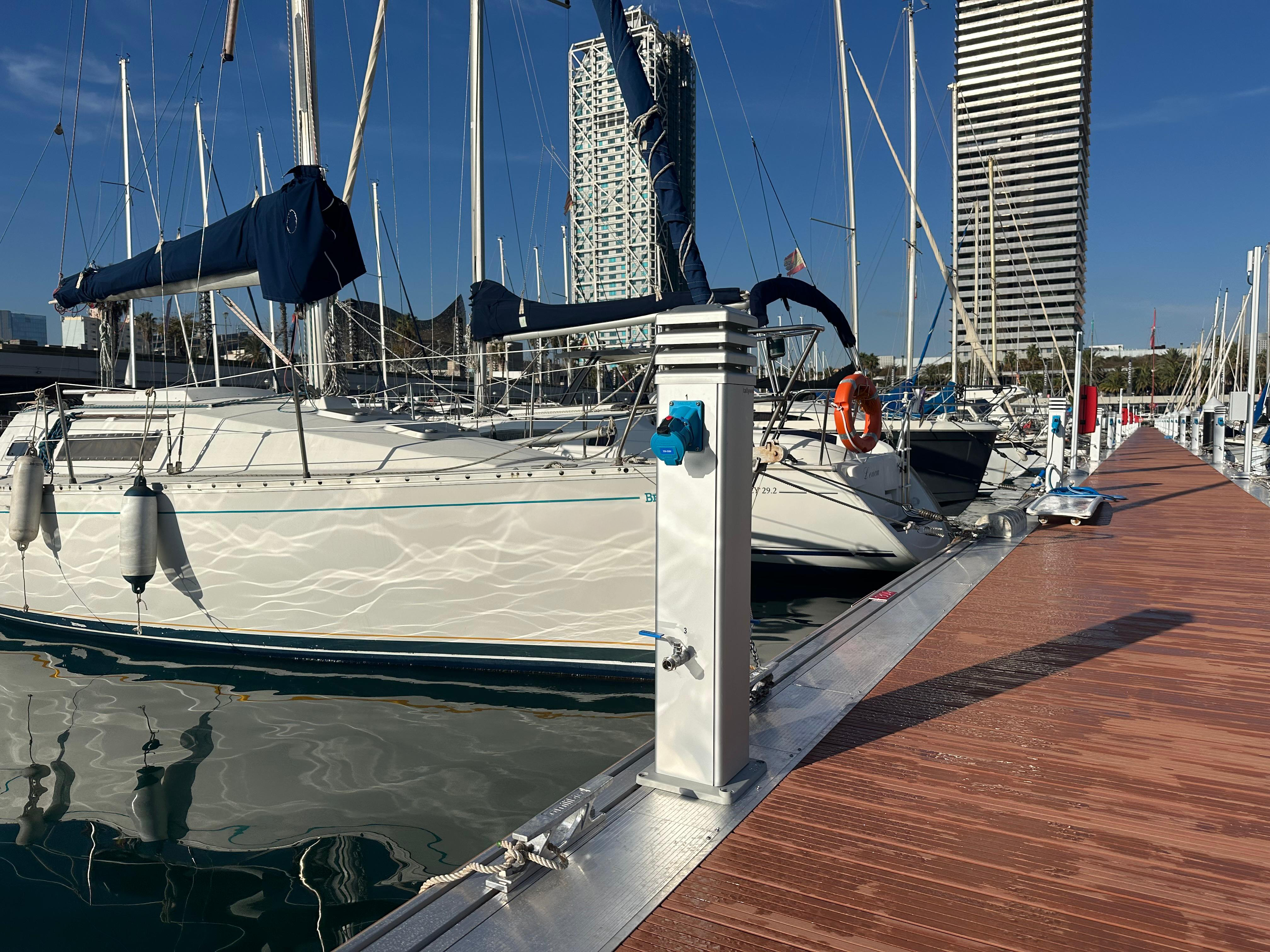
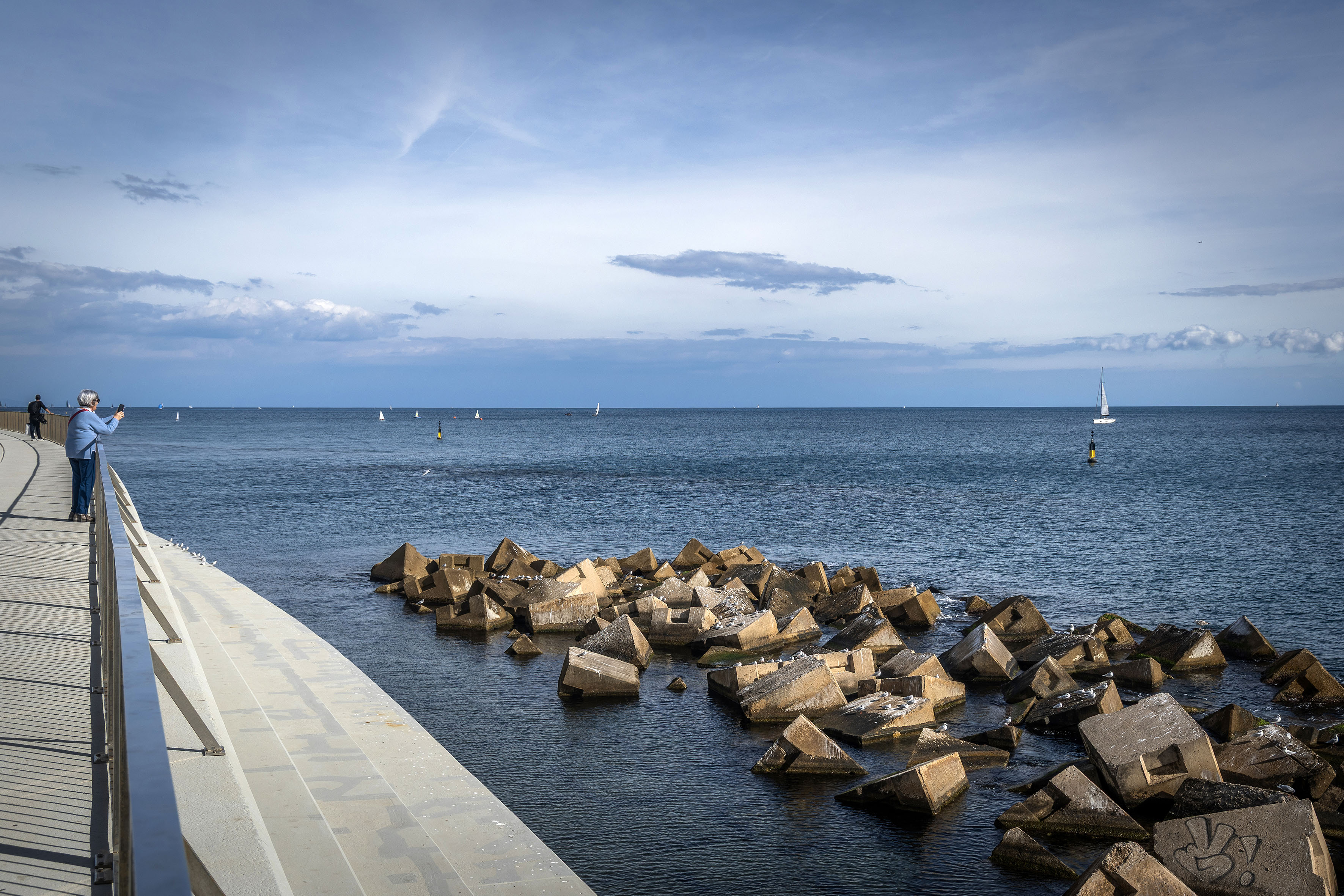
Sustainable water management is a priority at the Port Olímpic. The project incorporates the use of groundwater for non-potable purposes, with the aim of reducing the demand for drinking water and strengthening resilience to drought periods.
This strategy optimises the port’s water cycle, reduces reliance on mains water and lowers emissions associated with water extraction, treatment and distribution.
Eco-design and circular construction: responsible materials and circular economy criteria
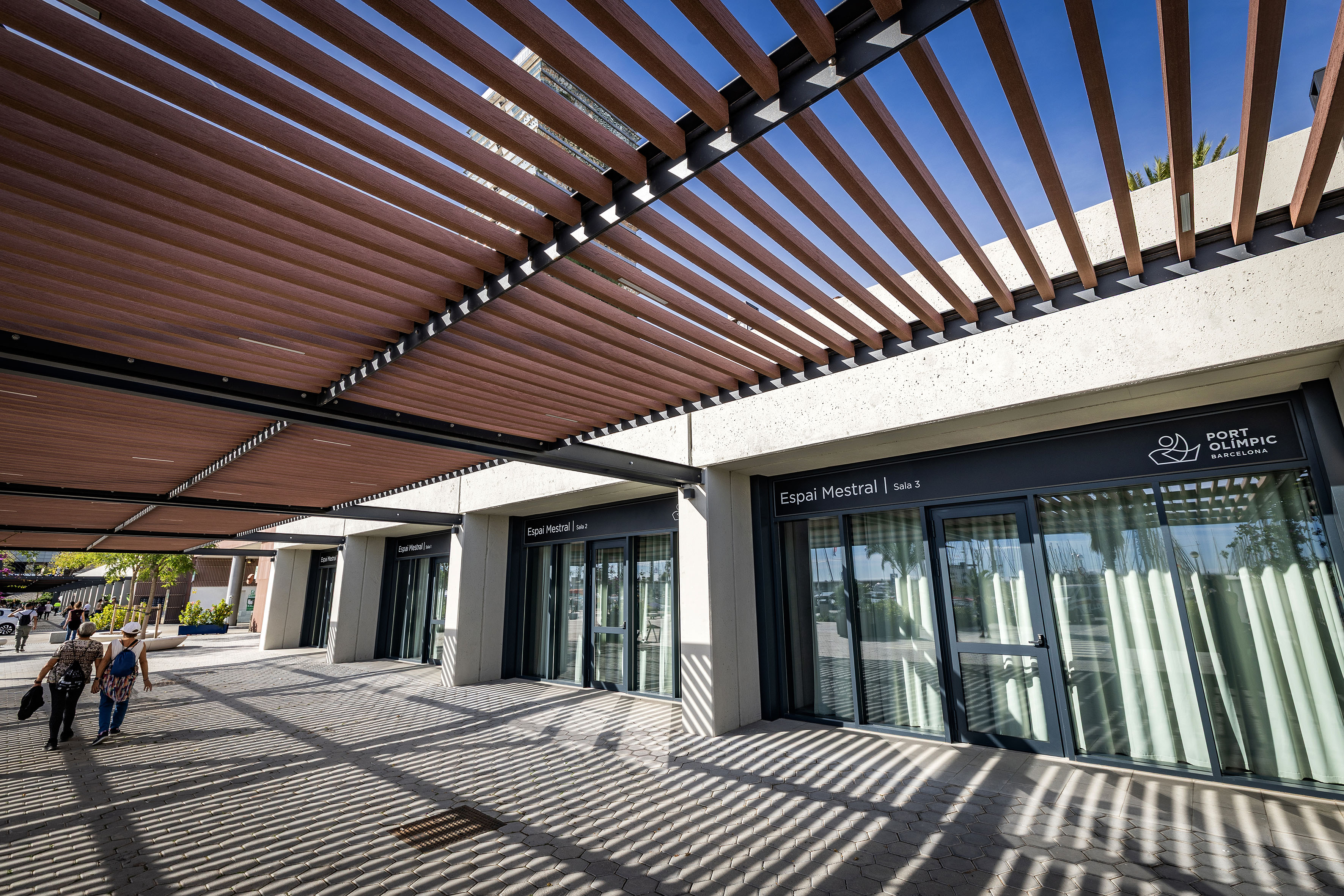
The transformation of the Port Olímpic has been carried out by integrating eco-design and circular economy principles from the construction phase onwards. The materials used contain high percentages of recycled content and are recyclable at the end of their service life.
The use of recycled steel, concrete with reused aggregates, permeable paving and durable construction solutions significantly reduces the carbon footprint of the works and extends the lifespan of the infrastructure, minimising the project’s environmental impact.
Circular economy in waste management: prevention, traceability and recovery
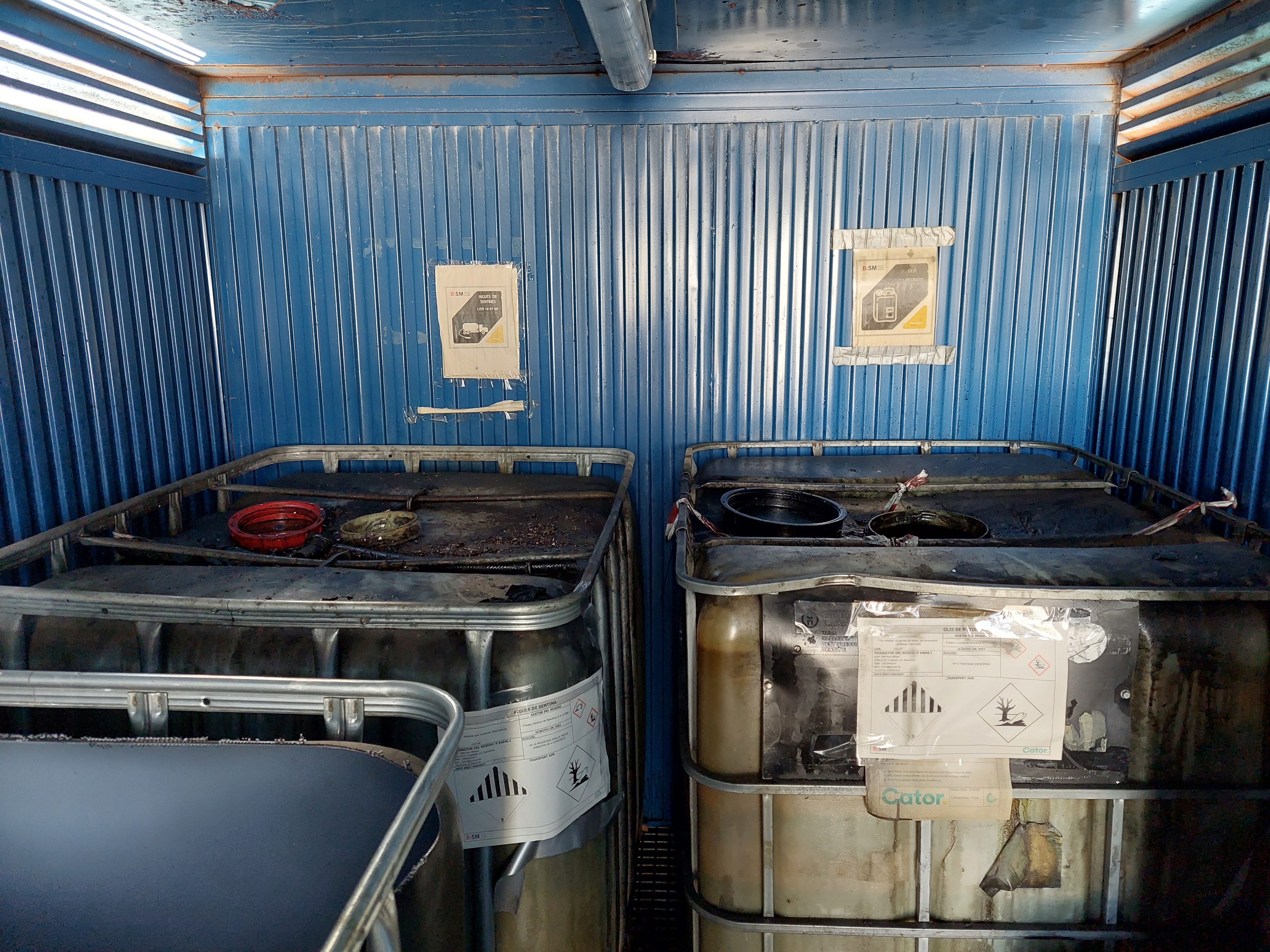
The Port Olímpic applies an advanced waste management model based on prevention, proper segregation and maximum recovery of generated waste streams. This system includes improved recycling points, collection adapted to port activities and monitoring of waste quality.
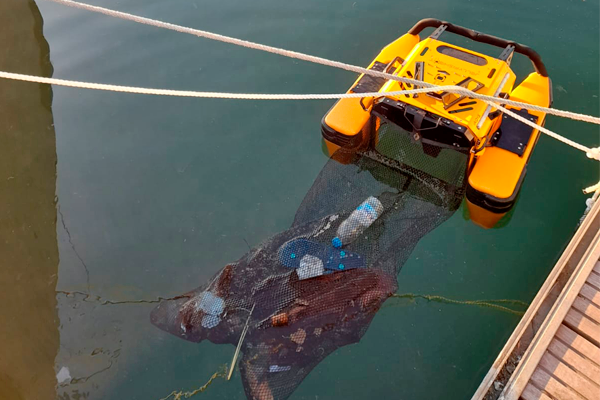
Innovative solutions have also been introduced, such as mechanical cleaning of the water surface to remove floating waste, helping to maintain the environmental quality of the port and its marine surroundings.
Environmental awareness and outreach: bringing citizens closer to the marine environment
The Port Olímpic actively works to turn its spaces into an educational environment that raises awareness of the importance of conserving and protecting marine biodiversity and environmental quality, while addressing the challenges facing coastal areas.
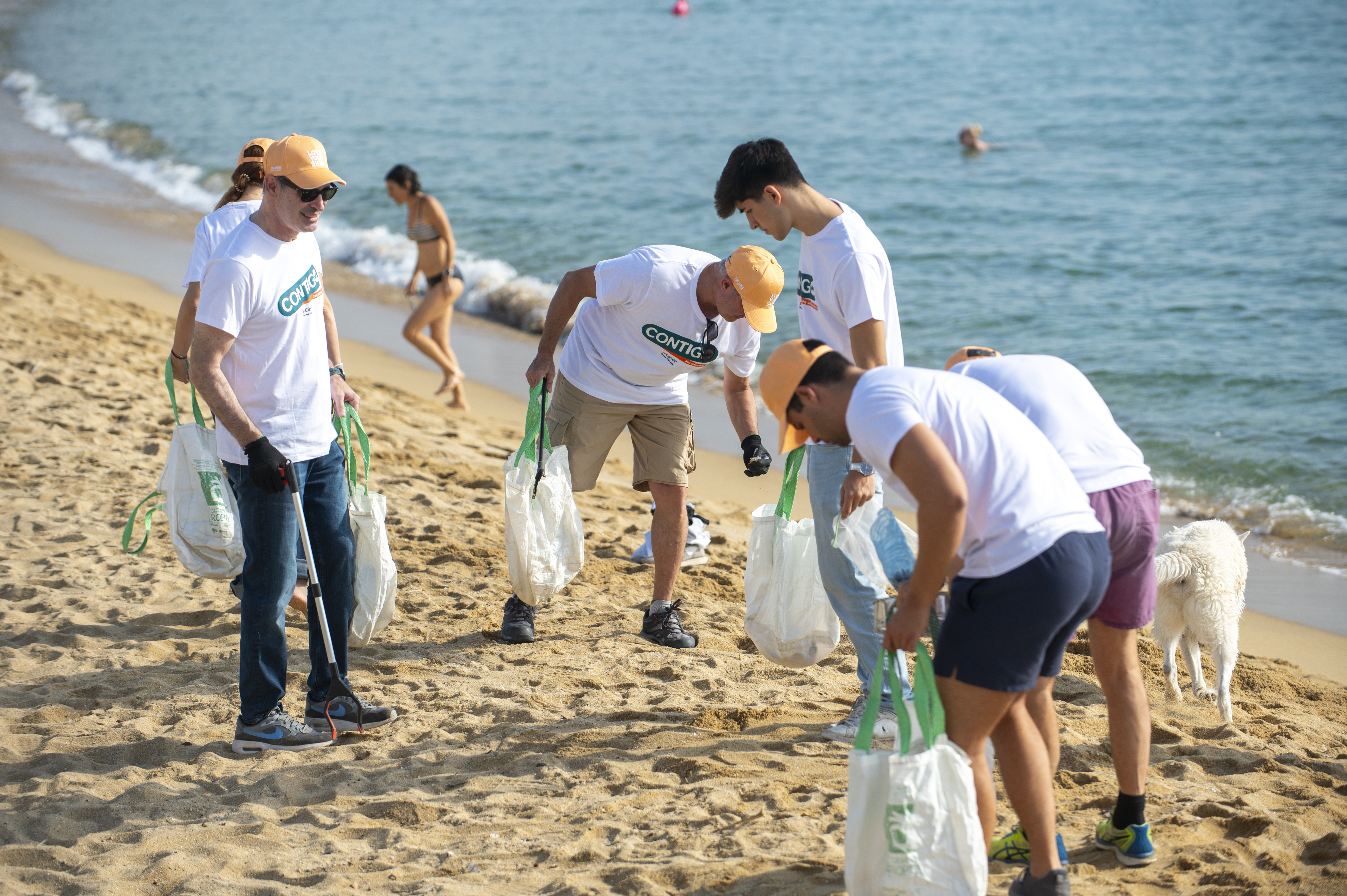
To this end, the port promotes educational and outreach activities such as the Plogging Congress, and plans the gradual incorporation of informational elements throughout the site to act as communication tools and reinforce its role as an environmental awareness hub for a wide and diverse audience.
Sustainable economic activity linked to the sea
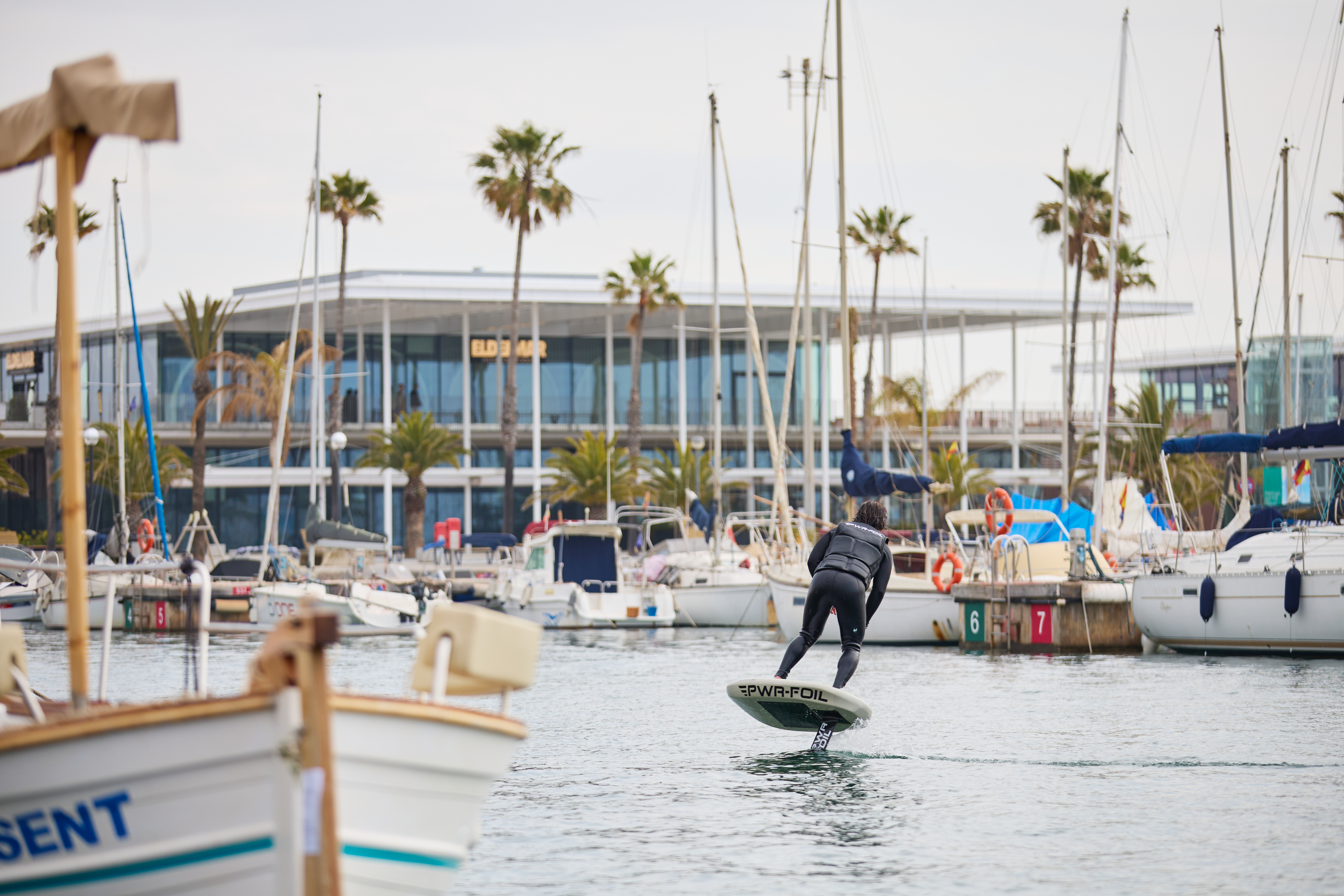
The Port Olímpic hosts an ecosystem of economic activity linked to the blue economy, with companies and initiatives related to boating, innovation, maritime services, education and the circular economy. This environment supports a model of economic development aligned with sustainability and marine knowledge.
The Gastronomic Balcony at Moll de Gregal complements this activity with a food and beverage offering based on local and seasonal products, responsible fishing practices and recognised environmental standards. Initiatives such as the Port Olímpic Living Lab and sustainable nautical events like the Barcelona Electric Marine Show strengthen this economic ecosystem connected to the future of the coastline.
A more open, accessible port connected to the neighbourhood
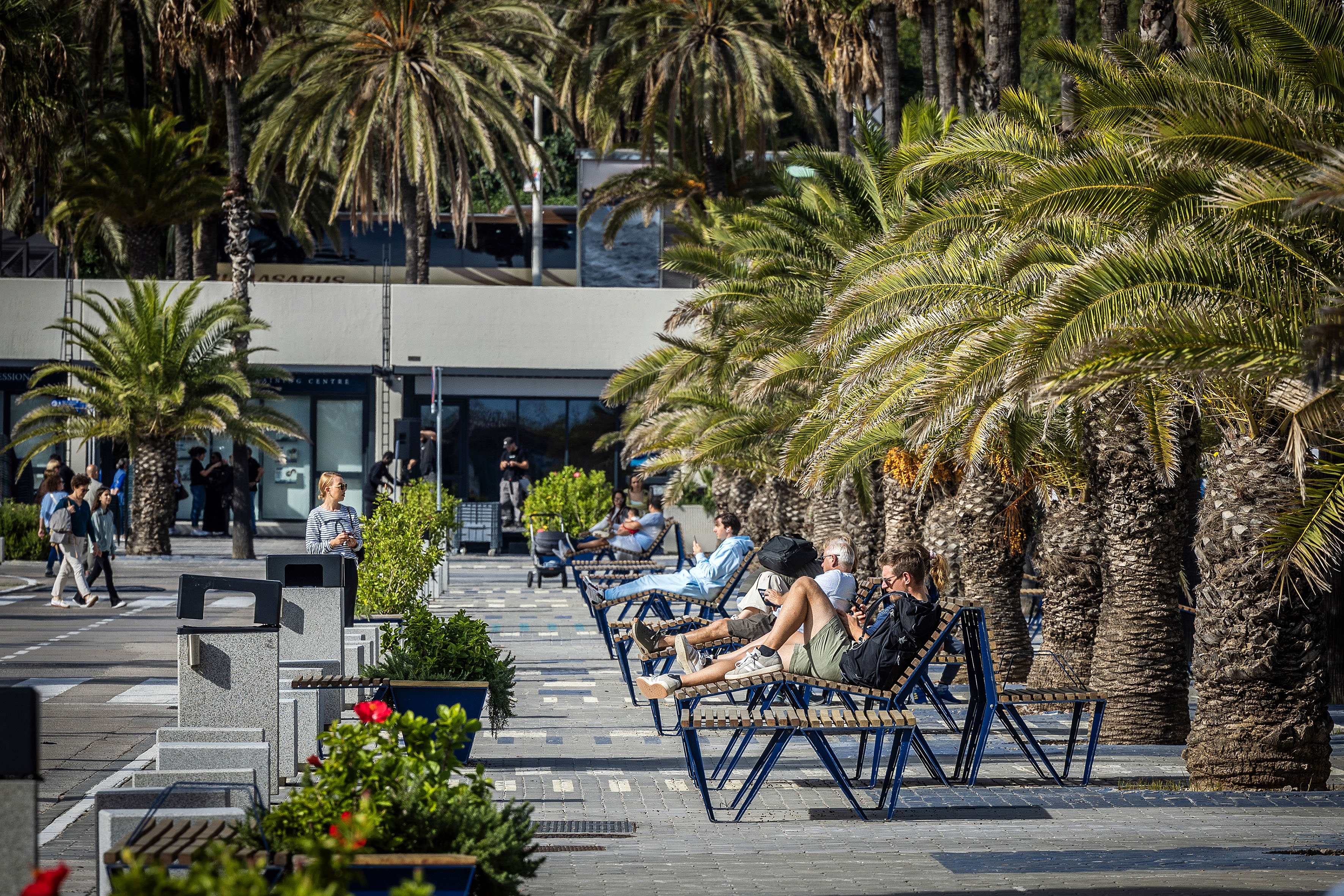
The transformation of the Port Olímpic recovers a large area of public space designed for walking, leisure and sports. New access points, squares, viewpoints and routes improve connectivity between the port, the Vila Olímpica neighbourhood and the beaches, integrating the port into the city’s daily life.
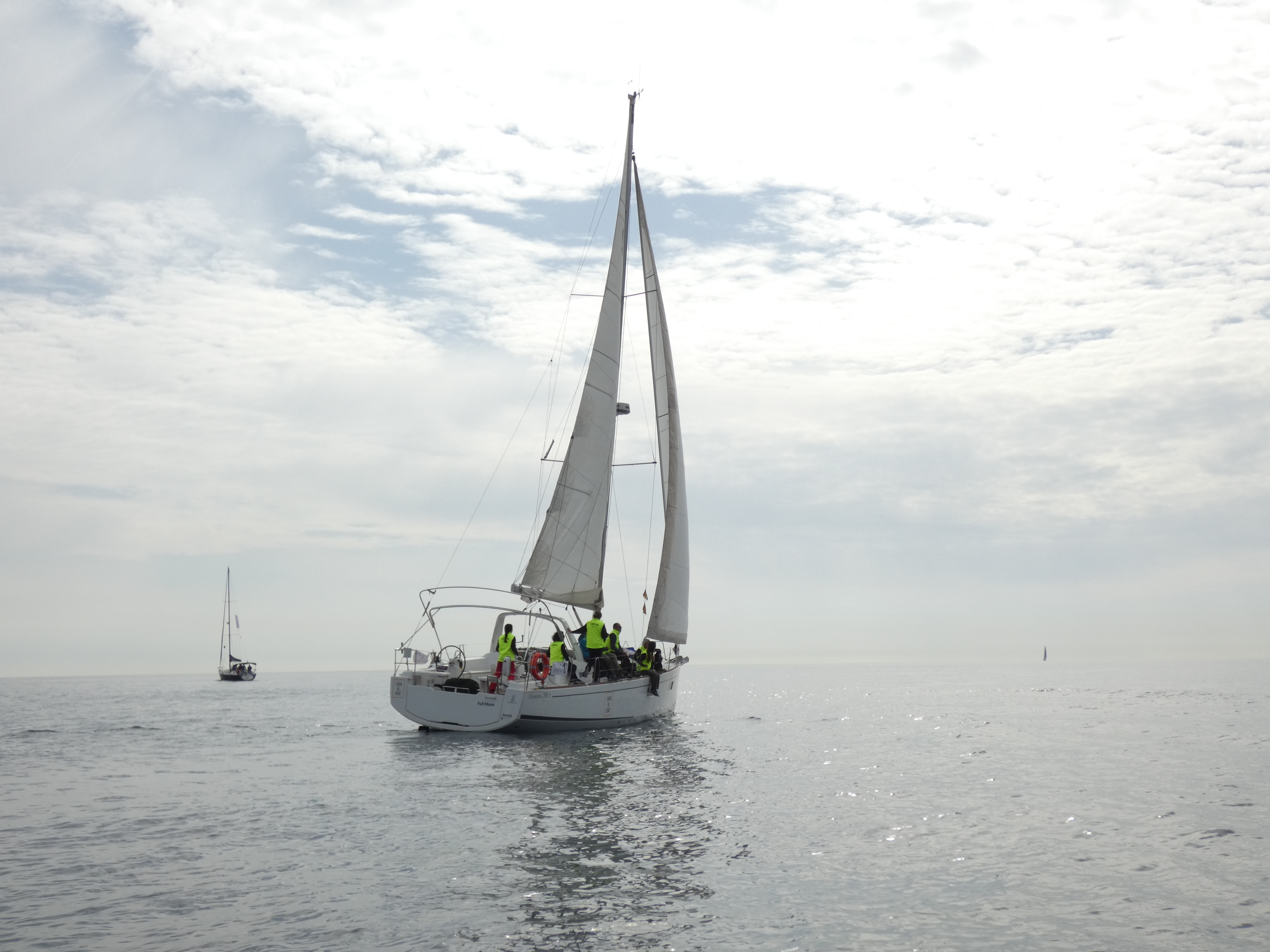
At the same time, the project promotes inclusive and accessible boating through renovated facilities, accessibility policies and a diverse range of activities and vessels. The Port Olímpic is thus consolidated as an open sports, social and cultural space, generating a positive and direct impact on the local community.